Rich Dad Poor Dad vs The 48 Laws of Power
Which should you read?
The Quick Answer
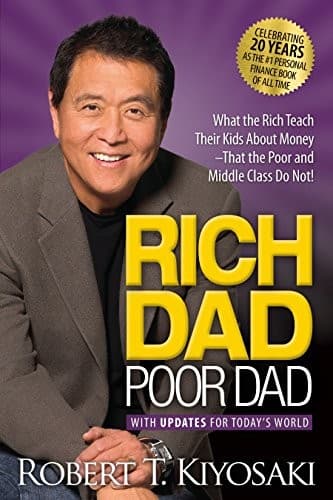
Read Rich Dad Poor Dad if you want a beginner-friendly money mindset reset—especially the simple ‘assets vs. liabilities’ lens—and you’re okay with broad strokes that motivate you to learn investing elsewhere. it’s best as a gateway read to get you thinking in cashflow/ownership terms rather than salary and consumption.
Read The 48 Laws of Power if you want a blunt, realpolitik look at how status and influence actually work in groups (workplace, politics, social circles) and you can read it as a toolkit—not a moral code. it’s most useful as ‘anti-naïveté’ training: spotting tactics, incentives, and reputation games.
Read Rich Dad Poor Dad first to upgrade your financial mental models, then The 48 Laws of Power to navigate people and institutions while you execute. Together they cover ‘money rules’ + ‘power rules’—but both need judgment and ethics from the reader.
At a Glance
The Vibe — Compared
Who Should Read Which?
Rich Dad Poor Dad
- •Want a simple mental model (assets vs. liabilities) to rethink spending and success.
- •Need motivation to learn investing and build income streams beyond salary.
- •Prefer a quick, conversational book that sparks action — even if you need more tactical follow-up.
The 48 Laws of Power
- •Want to understand how influence, reputation, and status games work in real life.
- •Need a self-defense lens to recognize manipulation and office politics early.
- •Like historical anecdotes and don't mind a darker, more cynical framing.
What the Crowd Says — Head to Head
“Those books are not the same though they are in the same genre. One was heavily researched the other was a creative effort.”
r/nairobi 3“Agreed. 48 laws of power is trash.”
r/nairobi 7“My big deal with it is that people take it as a guide rather then a tips and tricks manual.”
r/books 31“It's not some sort of Anarchist's Cookbook of interpersonal relationships. Dale Carnegie gives far better advice.”
r/books 16“Author is an absolute douchebag. BUT, its a good book for mindset shift. There is little to no practical or tactical advice in there.”
r/Entrepreneur 23“Almost all of what’s in this book is fiction, I’m sure of that. But there are still some good financial lessons, especially about making money work for you.”
r/Entrepreneur 24“Buy low sell high, look for ways to create passive income streams! … is about as detailed as it gets.”
r/investingforbeginners 6Where They Overlap
- Both are “mindset first” books: they try to reframe how you see the world (money/power) more than they provide a strict step-by-step program.
- Both are frequently criticized as oversimplified or risky when taken literally—readers recommend using them as lenses, not laws.
Where They Diverge
- Rich Dad Poor Dad is about financial choices and cashflow (assets, liabilities, leverage) in personal life; The 48 Laws of Power is about social/institutional dynamics (status, reputation, influence).
- Rich Dad Poor Dad aims to inspire and motivate; The 48 Laws of Power aims to warn, sharpen, and sometimes provoke with a colder “realpolitik” tone.
Still Can't Decide?
Are you trying to improve your finances (spending, saving, investing mindset) right now? → Read Rich Dad Poor Dad — it’s built to change how you think about money and ownership.
Are you dealing with workplace politics, negotiation, or tricky power dynamics? → Read The 48 Laws of Power — treat it as a “spot the game” toolkit, not a moral guide.
Do you want inspiration more than tactics? → Pick Rich Dad Poor Dad — it’s designed to motivate and simplify.
Will you be tempted to apply advice literally? → Start with Rich Dad Poor Dad and immediately follow it with a practical personal finance book; be cautious with 48 Laws.