The 4-Hour Workweek vs Rich Dad Poor Dad
Which should you read?
The Quick Answer
Read The 4-Hour Workweek if you want a practical playbook to buy back your time—80/20 your work, design lifestyle experiments, and use delegation/automation to build leverage (even if some tactics feel dated).
Read Rich Dad Poor Dad if you need a mindset reset around money—assets vs liabilities, cashflow thinking, and motivation to stop trading time for a paycheck (but can tolerate light-on-details advice).
Read The 4-Hour Workweek first for execution and experiments; use Rich Dad Poor Dad as a motivational north star for why you’re building assets/leverage. Then replace both with more technical follow-ups (index funds, accounting, real estate, etc.) based on your path.
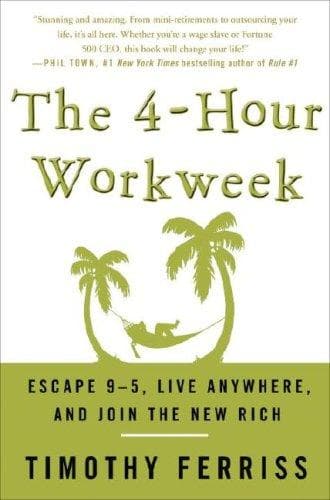
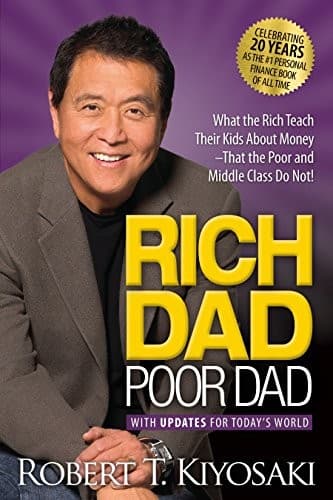
At a Glance
The Vibe — Compared
Who Should Read Which?
The 4-Hour Workweek
- •You’re a founder/creator who needs leverage (delegation, automation, distribution) more than “work harder.”
- •You’re drowning in meetings/notifications and want an operating system for time, focus, and batching.
- •You like experiments and frameworks, and you’ll adapt tactics to 2026 realities.
Rich Dad Poor Dad
- •You’ve never internalized “assets vs liabilities” and need a simple mental model that sticks.
- •You’re paycheck-to-paycheck in mindset (even if income is fine) and need motivation to invest/build cashflow.
- •You want a quick read that sparks curiosity about investing/real estate/business (and you’ll follow up with more rigorous books).
What the Crowd Says — Head to Head
“It's marketed as a life-changing financial guide, but most of it feels like vague motivational talk rather than practical advice.”
r/debtfree“The book's title is primarily an attention grabber and not a literal expectation of working only four hours per week.”
r/personalfinance“The book offers valuable insights on efficiency, time management, automation, and outsourcing.”
r/personalfinance“He throws around vague ideas about “buying assets,” but there's no ... Kiyosaki is a salesman and a motivational speaker.”
r/booksWhere They Overlap
- Both push you to stop treating time-for-money as the only path and to seek leverage.
- Both are more mindset-shifting than technical finance textbooks.
- Both are polarizing: people credit them for life direction changes, critics call them simplistic.
Where They Diverge
- The 4-Hour Workweek is a tactics-and-experiments book (process, delegation, constraints); Rich Dad Poor Dad is a parable-driven worldview book (assets/liabilities).
- 4HWW targets entrepreneurs/knowledge workers redesigning work; RDPD targets broad personal finance audiences wanting motivation.
- 4HWW tends to be judged on whether you can apply the frameworks; RDPD is judged on whether you accept the author/story framing and lack of specifics.
Still Can't Decide?
Do you want to change your schedule and work habits in the next 30 days? → Start with The 4-Hour Workweek
Are you mainly missing a clear money mental model (assets vs liabilities)? → Start with Rich Dad Poor Dad
Do you prefer concrete frameworks and exercises over parables and “mindset” talk? → Start with The 4-Hour Workweek
Is your goal freedom through business/process leverage more than investing/real estate inspiration? → Start with The 4-Hour Workweek