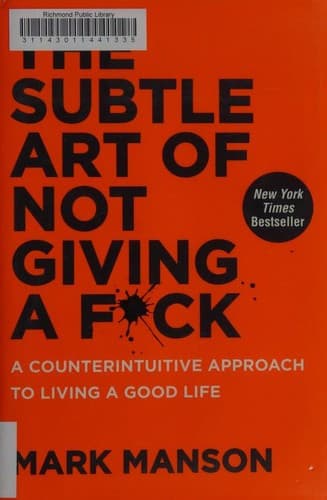
A punchy values-first anti-positivity manifesto: some readers find it grounding and clarifying, others bounce off the edgy tone and repetition.
Why It's Popular Right Now
It broke out because it sounded like the anti-self-help book: blunt, meme-able, and emotionally honest about pain being unavoidable. The promise isn’t “be happy”—it’s “choose what matters,” which feels relieving when people are burned out on positivity and performance.
Contents
Core Concepts
The book’s core thesis is that life gets better when you stop trying to care about everything and instead pick a few values worth paying a price for. It reframes discomfort as normal and pushes responsibility: you can’t control outcomes, but you can choose your metrics and responses.
Choose better values
Your life is shaped by the metrics you use. Pick values that are reality-based and behavioral, not status-based.
Trade-offs are mandatory
Every “yes” comes with pain. The goal isn’t no suffering—it’s suffering for the right reasons.
Responsibility over blame
You may not control what happens, but you’re responsible for your reactions and choices.
Selective caring
Not giving a f*ck means being intentional about what you care about—not being indifferent.
Mortality as a filter
Keeping death in view makes priorities clearer and trivial concerns smaller.
The Reading Experience
It’s written in a conversational voice; fans like the audiobook vibe, critics prefer skimming in print.
The Honest Take
Curated from 108.5K+ community discussions
Read If
- •You’re stuck in people-pleasing mode and want a sharper filter for what matters.
- •You’re tired of “think positive” advice and want something more grounded (and a bit abrasive).
- •You want a values-first framework: fewer goals, better priorities.
- •You need permission to stop optimizing every part of life and accept trade-offs.
Skip If
- •You hate self-help written in a deliberately edgy, swear-heavy style.
- •You’re looking for a step-by-step program with worksheets, habit trackers, and measurable plans.
- •You’ve read a lot of stoicism/Buddhism already and want truly new ideas.
- •Repetition annoys you more than it motivates you.
What Works
Brutal honesty that snaps you out of people-pleasing
r/GetMotivated 332“This is the only self help book that really struck me to the core. Wonderfully brutally honest, and highly recommend to those who have yet to cross paths with this gem.”
A simple “values filter” (stop caring about everything)
r/books 1.5K“It's not so much a red flag as it is a predictor of one, lol.”
Feels grounding when you’re spiraling
r/madlads 1.6K“The subtle art of not giving a fuck was a great book, helped me through a rough patch”
What Falls Flat
Repetition (the same point, restated)
r/books 2.4K“I felt like I was reading the same page over and over again. It wasn't for me.”
Profanity reads as try-hard for some
r/books 1.4K“Totally agree. Furthermore, I love a good F-bomb as much as the next guy when it can add emotion/emphasis/ect to writing, but using it in this book just seems extremely try hard and adds nothing to the material.”
“Not much detail on how”
r/books 1.7K“I read it and it's pretty puerile stuff. It told me not to give a fuck but didn't go into any great details about how I shouldn't give a fuck.”
Real-Life Impact
“This is the only self help book that really struck me to the core. Wonderfully brutally honest, and highly recommend to those who have yet to cross paths with this gem.”
“An ex boyfriend of mine read this and then promptly broke up with me. Only thing is, a week later he said he made a mistake and wanted to get back together.”
“I found it really good. It's a start. All of Mark Manson's advice really helps me ground myself and then to build on that.”
“Be careful where you spend your time.”
“The desire for more positive experience is itself a negative experience.”
— Mark Manson
The Quotes
From the Book
“The desire for more positive experience is itself a negative experience.”
“To not give a f*ck is not to be indifferent; it is to be comfortable with being different.”
“Who you are is defined by what you’re willing to struggle for.”
“Happiness comes from solving problems.”
From the Crowd
“I felt like I was reading the same page over and over again. It wasn't for me.”
r/books 2.4K“If you appreciate the concept, but not so much the tone or writing style, consider reading "The Antidote: Happiness for People Who Can't Stand Positive Thinking".”
r/books 2.4K“I read it and it's pretty puerile stuff. It told me not to give a fuck but didn't go into any great details about how I shouldn't give a fuck.”
r/books 1.7K“An ex boyfriend of mine read this and then promptly broke up with me. Only thing is, a week later he said he made a mistake and wanted to get back together.”
r/books 1.5K“I found this book to be absolute repetitious misery. there were some interesting parts but after the first 1/3rd i felt i already had the entire gist of the book.”
r/books 260The Crowd Splits: The Debate
While generally beloved, the community is divided on the book's depth and originality.
Is the profanity + bluntness a feature (clarity) or a bug (try-hard edginess)?
Is it deep and useful—or repetitive pop-stoicism you can outgrow fast?
The Bookshelf
Read Instead
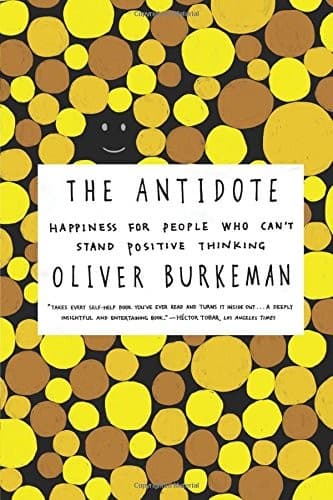
The Antidote
Oliver Burkeman
“Similar anti-positivity message, delivered with more philosophy and less edge.”
Buy on Amazon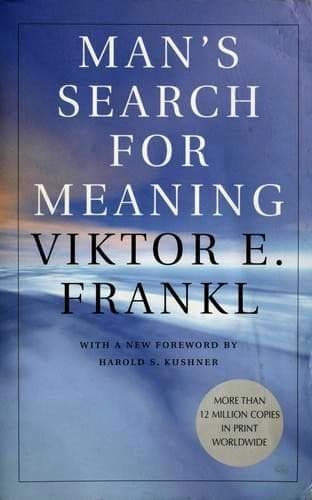
Man's Search for Meaning
Viktor E. Frankl
“If you want meaning-through-suffering without the self-help packaging.”
Buy on Amazon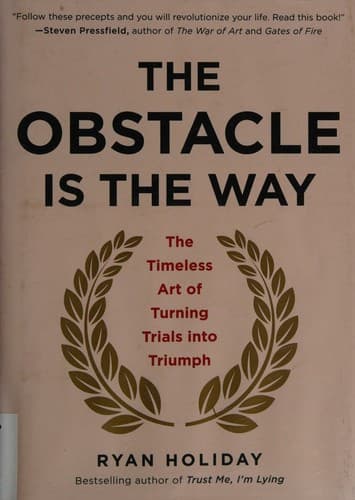
The Obstacle Is the Way
Ryan Holiday
“Stoicism-lite with clear stories and less abrasive voice.”
Buy on AmazonRead Next
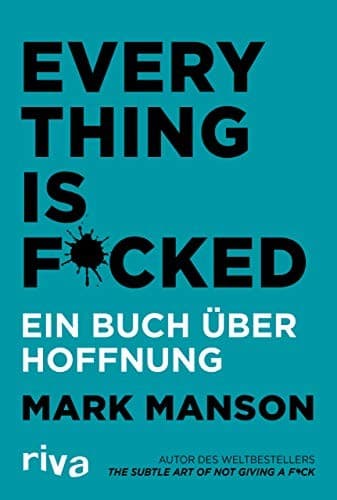
Everything Is F*cked
Mark Manson
“Same author voice, more about hope/meaning than priorities.”
Buy on Amazon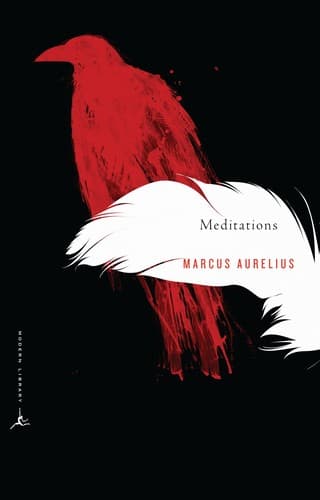
Meditations
Marcus Aurelius
“A deeper “control what you can” foundation many readers point to as the real source.”
Buy on Amazon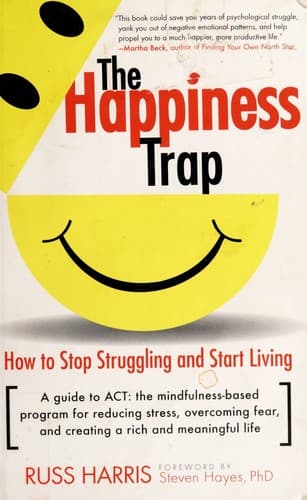
The Happiness Trap
Russ Harris
“ACT-based approach for people who want tools, not attitude.”
Buy on AmazonGo Deeper
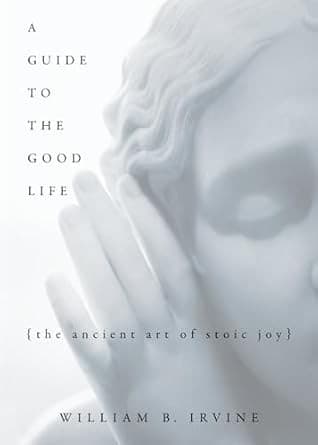
A Guide to the Good Life
William B. Irvine
“If you want the stoicism under the hood, explained carefully.”
Buy on Amazon
The Practicing Stoic
Ward Farnsworth
“A curated, practical stoic reader if you want substance over vibe.”
Buy on Amazon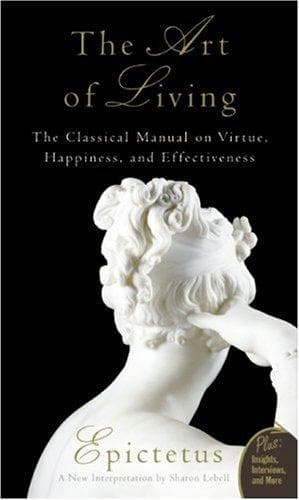
The Art of Living
Epictetus (translated by Sharon Lebell)
“Short, direct stoic maxims that match the book’s core message without the theatrics.”
Buy on AmazonWhat Readers Ask
It’s a values-first self-help book arguing that a good life comes from choosing a few things to care about deeply—and accepting the downsides that come with those choices.
If you like blunt, conversational self-help and want a mindset reset, many readers find it genuinely grounding. If you’re allergic to profanity or you’ve read a lot of stoicism/Buddhism already, the same ideas may feel repetitive or shallow.
The Culture
In the Wild
Critics & Podcasts
- Mark Manson (official site) — The author positions the book as an antidote to endless positivity—arguing for better values, responsibility, and acceptance of discomfort.
- Wikipedia — Mainstream coverage frames it as a bestselling self-help book built on counterintuitive messaging and internet-native voice.
- Goodreads (quotes/reviews ecosystem) — The most-highlighted lines emphasize “choose your struggles” and “better values,” which explains why the book spreads as quotable snippets.
What Kind of Book Is This?
Community Tags

Mark Manson
Author Credibility
Mark Manson is an author and blogger known for blunt, irreverent writing about values, responsibility, and modern meaning-making. He wrote the bestseller The Subtle Art of Not Giving a F*ck and later Everything Is F*cked, building an audience through his essays and newsletter.
Community Trust: Mixed. Readers largely trust Manson as a clear, relatable communicator who pushes people to take responsibility and rethink what they value. But the same “no-BS” persona creates skepticism: some see the tone as performatively edgy, and a portion of the community feels the ideas are familiar self-help principles wrapped in profanity and repetition. Net: credible as a pop-self-help writer, not universally respected as a deep original thinker.
How to Read This
Best as: Paperback or Audiobook
It’s written in a conversational voice; fans like the audiobook vibe, critics prefer skimming in print.
Shelf Life
Re-read when you’re drifting
Most people don’t treat it as a reference manual—more like a periodic priorities reset.
Homework Level
Low
More mindset + values than exercises. If you want worksheets, pair it with a tools-first book.
Best Life Stage
Burned out / rebuilding
Best when you feel overloaded by expectations and need a sharper filter.
The message holds; the packaging dates
Many readers say the values-first message stays relevant, but the “edgy profanity” packaging feels more like a mid-2010s internet voice. If the tone annoys you, the underlying ideas are available in stoicism/Buddhism with less performative style.
crowd consensus
What does reading this signal?
Recommending this book often signals you want self-help that’s skeptical of “good vibes only” culture: less manifestation, more responsibility and trade-offs. It also signals you’re okay with a loud, meme-able delivery (or you want something that feels “real” rather than polished).
editorial
Author ecosystem (not MLM)
The book connects to a broader Mark Manson ecosystem (blog, newsletter, videos, later books). Readers don’t typically frame it as a scam, but some do perceive it as branding-heavy: familiar principles packaged into a marketable “anti-self-help” product.
crowd consensus
People confuse it with indifference
A common misunderstanding is that the book argues for apathy. The point is the opposite: care deeply—but about fewer, better things. When readers interpret it as “nothing matters,” they miss the values-and-responsibility spine of the argument.
editorial