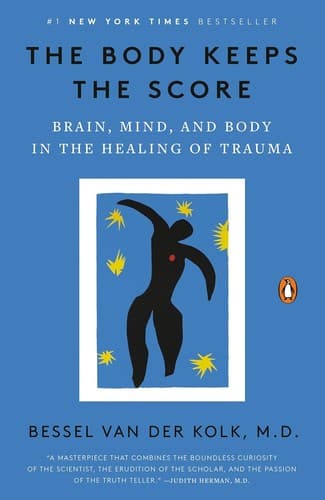
A trauma landmark that many readers call validating or life-changing — and many others warn is triggering, clinically detached, and over-marketed as self-help.
Why It's Popular Right Now
It gave millions of people a vocabulary for the way trauma feels physical: shutdown, hypervigilance, pain, dissociation, numbness, and bodily alarm. Its popularity comes from validation — the relief of hearing that symptoms have mechanisms — but that same reach created backlash when a clinical book was sold as universal self-help.
Contents
Core Concepts
The book argues that trauma changes the brain, nervous system, memory, and body, so recovery often requires more than insight. The crowd-distilled thesis: understanding your symptoms can be profoundly validating, but healing still needs careful, individualized support.
Trauma Rewires Threat Perception
The brain keeps scanning for danger long after the event has passed, shaping attention, memory, and emotional responses.
The Body Carries Alarm
Trauma can show up as tension, shutdown, panic, dissociation, pain, and a nervous system stuck in survival mode.
Memory Is Fragmented
Traumatic memory may return as sensations, images, and body states rather than a clean chronological story.
Safety Comes Through Connection
Feeling safe with other people is presented as central to regulation and recovery.
Bottom-Up Healing Matters
Approaches like EMDR, yoga, neurofeedback, theater, and somatic work are framed as ways to involve the body, not just the intellect.
Context Changes Everything
The same material can validate one reader and overwhelm another; pacing and support matter.
The Reading Experience
Do not force a cover-to-cover sprint. Skim, pause, and skip case histories if your body says no.
The Honest Take
Curated from 7.6K+ community discussions
Read If
- •You want a serious explanation for why trauma shows up as bodily symptoms, not just memories.
- •You are exploring EMDR, somatic work, yoga, neurofeedback, or trauma-informed therapy.
- •You can handle clinical case material and prefer mechanisms over comfort.
- •You are a clinician, student, helper, or careful reader trying to understand PTSD/CPTSD.
Skip If
- •You need a gentle workbook for active trauma recovery right now.
- •You are easily triggered by graphic case histories or detached descriptions of abuse and violence.
- •You want clean step-by-step healing exercises rather than clinical synthesis.
- •You distrust pop-neuroscience or need every claim tightly evidence-graded.
What Works
Makes symptoms feel explainable
r/r/ptsd 15“You are a really kind person. This book changed my entire view on how defective I once saw myself and then I was able to take it in chunks and realize my bipolar my bpd and my weird behavior mechanisms were as a result of my childhood and life. That I wasn’t actually born this way but I learned to live this way and could push back and change that at 35.”
Opens doors to trauma-specific treatment
r/r/ptsd 11“This book saved my life and introduced me to EMDR🙌🏻🙌🏻🙌🏻”
Connects mind, brain, and body
r/r/ptsd 40“Let me just start off by saying I feel that anyone can have an opinion and feeling about a piece of media and it is their own, so it’s ok! However I just think that I have a problem with the interpretations being made in the original post. I am a few chapters in reading this book and would really recommend people who are blindly accepting the reading of it by the person who posted, to…”
Validates body-based recovery
r/r/ptsd 13“I’m a sexual cult survivor and combat vet This book helped me get to Somatic Experiencing, ketamine therapy, and core trauma work. If not for this book, I would Have had no validation of what was happening to me and would have taken my own life. Hands down”
What Falls Flat
Too often recommended to the wrong people
r/r/books 1.6K“I dont think secondary trauma dump is quite the right term, but I do know that The Body Keeps the Score is semi-famously recommended to *completely* wrong people. It was never intended as something for people who have experienced trauma. It was not intended to even be *healthy* for them to read. Its intended audience was primarily fellow medical practitioners and mental health services…”
Clinical detachment can feel brutal
r/r/books 6“Omg I tried to read this book when I was in therapy and I had to stop because of how casually the author threw in his patients' trauma like it was nothing. I told my therapist at the time that it was hard to read because of that and they said it can sometimes give people "vicarious trauma", so I DNF'd this book. Idk why it gets recommended so much. I've never read *A Little Life*, but I…”
Evidence and author trust are contested
r/r/books 125“As a psychologist who specializes in trauma, the way BDVK over-extends his points beyond the evidence, leading TBKS readers to do that even more drives me insane.”
Real-Life Impact
“You are a really kind person. This book changed my entire view on how defective I once saw myself and then I was able to take it in chunks and realize my bipolar my bpd and my weird behavior mechanisms were as a result of my childhood and life. That I wasn’t actually born this way but I learned to live this way and could push back and change that at 35.”
“This book saved my life and introduced me to EMDR🙌🏻🙌🏻🙌🏻”
“Yes!! It's the only thing that has helped me! I did all kinds of talk therapy for years, but emdr is the only thing that has helped.”
“I have major PTSD and probably CPTSD. I read it during COVID lockdown and it took me a few years. I actually stopped and did each exercise on my own in my head and it made a huge difference in my life. I'd talk about it with my therapist afterwards. I think it could help someone understand people with PTSD better, but you can't really use it on someone else other than a therapy setting.”
“I’m a sexual cult survivor and combat vet This book helped me get to Somatic Experiencing, ketamine therapy, and core trauma work. If not for this book, I would Have had no validation of what was happening to me and would have taken my own life. Hands down”
“This happens to me in yoga. I can barely get through a class without sobbing. I have c-ptsd.”
“Trauma is not just an event that took place sometime in the past; it is also the imprint left by that experience on mind, brain, and body.”
— Bessel A. van der Kolk
The Quotes
From the Book
“Trauma is not just an event that took place sometime in the past; it is also the imprint left by that experience on mind, brain, and body.”
Trauma and Memory
“Being able to feel safe with other people is probably the single most important aspect of mental health.”
Paths to Recovery
“The greatest sources of our suffering are the lies we tell ourselves.”
“As long as you keep secrets and suppress information, you are fundamentally at war with yourself.”
From the Crowd
“I dont think secondary trauma dump is quite the right term, but I do know that The Body Keeps the Score is semi-famously recommended to *completely* wrong people. It was never intended as something for people who have experienced trauma. It was not intended to even be *healthy* for them to read. Its intended audience was primarily fellow medical practitioners and mental health services…”
r/r/books 1.6K“This book completely transformed my life and my view of trauma in a very positive way. Yes, it is triggering. I never expected to be able to work through trauma without feeling triggered so I knew to take breaks as needed, etc. It is not written FOR trauma victims; it is written ABOUT trauma, in a detached way. That can for sure be difficult to read through. In a way, the book is almost…”
r/r/ptsd 47“This book saved my life and introduced me to EMDR🙌🏻🙌🏻🙌🏻”
r/r/ptsd 11“I think a big problem is that the book was originally written for a clinical audience. It’s only recently that it blew up in popularity and was marketed as a “self help” book Did it help me? Yes. Is the purpose of the book self help for victims? No not at all. He discusses the crimes of the veterans from a strictly clinical point of view. I did not find him to be dismissing or excusing…”
r/r/books 89“Im so sorry that you were abused, and I hope you find more peace with that. I’m glad that reading the book helped you. I am also a victim of CSA (but relatively unrepressed memories), and was already vaguely aware of how it affected my life. I picked up the book at the recommendation of others, and I couldn’t get through the first half. The way he talked about women and dismissed the…”
r/r/books 82“As a psychologist who specializes in trauma, the way BDVK over-extends his points beyond the evidence, leading TBKS readers to do that even more drives me insane.”
r/r/books 125The Crowd Splits: The Debate
While generally beloved, the community is divided on the book's depth and originality.
Is this a healing book for trauma survivors or a clinical book often recommended to the wrong audience?
Is van der Kolk’s framework groundbreaking or scientifically overextended?
Are the hard case histories necessary clinical realism or needlessly retraumatizing?
The Bookshelf
Read Instead
Trauma and Recovery
Judith Herman
“More foundational, survivor-centered trauma theory with less pop-science branding.”
Buy on Amazon
What My Bones Know
Stephanie Foo
“A memoir-driven CPTSD book Redditors praise as more compassionate to the reader.”
Buy on Amazon
Complex PTSD: From Surviving to Thriving
Pete Walker
“More directly practical for childhood trauma and emotional flashbacks.”
Buy on AmazonRead Next
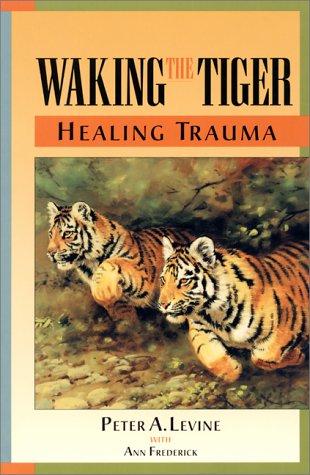
Waking the Tiger
Peter A. Levine
“Go deeper on somatic trauma responses and body-based healing.”
Buy on Amazon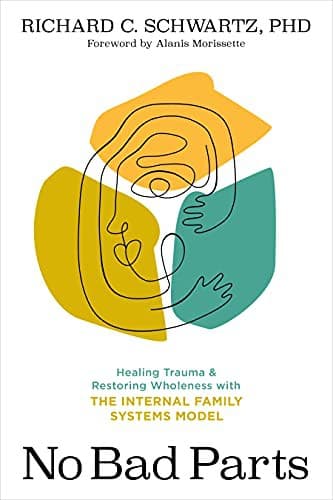
No Bad Parts
Richard Schwartz
“A gentle entry into Internal Family Systems parts work.”
Buy on Amazon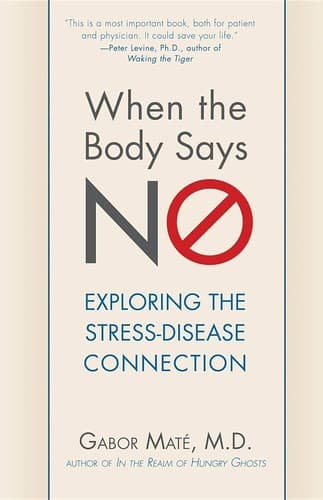
The Body Says No
Gabor Maté
“A related mind-body lens on stress, illness, and emotional repression.”
Buy on AmazonGo Deeper
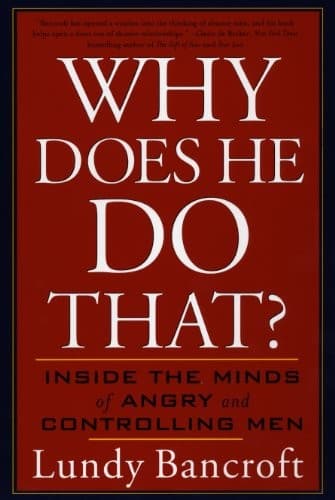
Why Does He Do That?
Lundy Bancroft
“For readers specifically dealing with coercive or abusive relationships.”
Buy on Amazon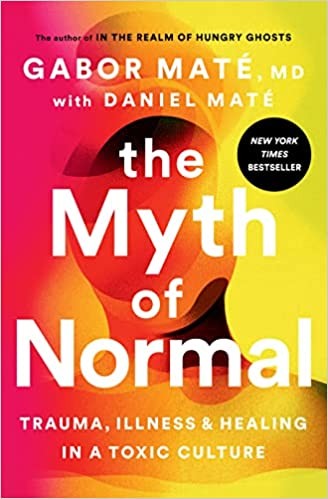
The Myth of Normal
Gabor Maté
“Broadens the lens from individual trauma to culture, stress, and health.”
Buy on Amazon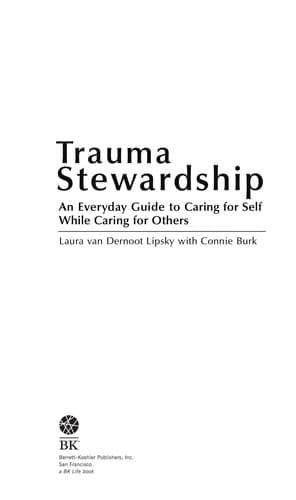
Trauma Stewardship
Laura van Dernoot Lipsky
“Useful for helpers and providers carrying secondary trauma.”
Buy on AmazonWhat Readers Ask
The core claim is that trauma is not only a story in the mind; it also changes threat perception, memory, emotion, and bodily regulation. Reddit readers most often value the book when it gives them a biological explanation for symptoms they previously saw as personal weakness.
Yes — with caveats. The crowd verdict is that it can be illuminating and even life-changing, but it is not a gentle workbook and should not be handed to trauma survivors without context, support, and trigger warnings.
The Culture
In the Wild
Critics & Podcasts
- Mother Jones — A critical longform read argues the book overreaches scientifically and helped turn trauma discourse into pop doctrine.
- The Guardian — Profiles van der Kolk as a major trauma psychiatrist whose work helped mainstream body-based recovery ideas.
- Ezra Klein Show / New York Times — Podcast conversation brought the book’s trauma-and-body thesis to a large mainstream audience.
- The Trauma Therapist Project — Podcast interview centers the book as a clinician’s map of how trauma changes the brain, mind, and body.
What Kind of Book Is This?
Community Tags

Bessel A. van der Kolk
Author Credibility
Bessel A. van der Kolk, MD, is a Dutch-American psychiatrist, researcher, and educator known for decades of work on post-traumatic stress. His writing helped bring trauma neuroscience and body-based treatment approaches into mainstream mental-health conversation.
Community Trust: Mixed. Readers respect van der Kolk’s clinical influence and the book’s validating framework, but trust is mixed because of scientific-overreach critiques, how some cases are framed, and public allegations around his workplace conduct.
How to Read This
Best as: slow reference with breaks
Do not force a cover-to-cover sprint. Skim, pause, and skip case histories if your body says no.
Shelf Life
Long shelf life, contested classic
Still useful as a map of trauma concepts, but pair it with newer and gentler trauma resources.
Homework Level
Moderate — more direction than workbook
The book points toward practices and therapies, but it is not a structured recovery plan.
Best Life Stage
When you have support and stability
Best when you can process difficult material with a therapist, group, or trusted support system.
Influential, but more contested now
The book aged into a classic and a backlash object at the same time: still influential for mind-body trauma literacy, more questioned on evidence, framing, and author credibility.
ValueSERP critical coverage
Some claims are debated
Readers and psychologists in the harvested threads dispute how far van der Kolk extends claims around memory, somatic therapies, and trauma physiology. Treat it as influential, not final authority.
r/books
Clinical trauma education marketed as self-help
The crowd’s cleanest genre correction: this is not a gentle self-help book. It is a clinician’s trauma synthesis that became a mass-market recovery text.
r/books
Can be destabilizing if treated as homework
The strongest caution from Reddit is that this book can trigger survivors when recommended without context. It is better approached as clinical education than as a soothing recovery manual.
r/books and r/ptsd discussion threads
Heavy clinical material
Multiple readers report needing breaks, skipping sections, or stopping entirely because the examples are graphic or emotionally blunt.
r/books and r/ptsd
What recommending it signals
Recommending this book signals trauma-informed literacy, but also risks sounding like a generic wellness recommendation unless paired with trigger warnings and alternatives.
community consensus
Science-forward, but not criticism-proof
The book uses neuroscience and clinical experience, yet parts of the trauma field remain contested. The safest reading is to separate useful treatment pointers from sweeping certainty.
Mother Jones + Reddit
It is not simply 'trauma is stored in your hips'
The popular slogan gets flattened online. The book is really about nervous-system adaptation, memory, body states, and why treatment often needs bottom-up as well as top-down approaches.
AlsoAsked + Reddit synthesis