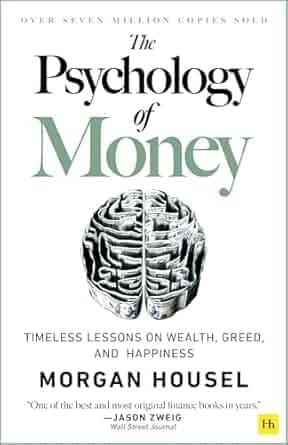
A behavior-first personal finance classic: readers love its calm, story-driven reframes on risk, ‘enough,’ and long-term investing—even if some call it polished common sense.
Why It's Popular Right Now
It's the rare money book people finish and then quote to friends: short chapters, memorable stories, and a calming message that behavior (patience, humility, “enough”) beats cleverness. It's especially sticky in FIRE/Bogleheads circles where the real challenge is staying the course.
Contents
Core Concepts
The book argues that personal finance is mostly a behavior problem. Define what “enough” means, ignore status games, respect luck and tail risk, and choose a strategy you can stick with for decades.
Behavior beats math
Money success is driven more by patience, humility, and consistency than IQ.
Define “enough”
Set a personal threshold where more stops improving life and starts buying status/anxiety.
Room for error
Leave margin so one bad break doesn't wipe you out—financial and emotional.
Luck & risk live together
Great outcomes can include luck; big risks can look dumb until they work.
Compounding needs time
The main edge is staying invested and avoiding behavior-driven blowups.
The Reading Experience
Short chapters work great in print; many readers mention audio replays for reinforcement.
The Honest Take
Curated from 9.6K+ community discussions
Read If
- •You want money advice that focuses on behavior and emotions, not spreadsheets.
- •You’re building a long-term investing mindset and need “stay the course” reinforcement.
- •You feel stuck comparing yourself to others and want a cleaner definition of “enough.”
- •You like short chapters and memorable stories more than step-by-step budgeting rules.
Skip If
- •You want a tactical plan (budgets, debt payoff, allocations) more than philosophy.
- •You’ve been deep in FIRE/Bogleheads content for years and need genuinely new mechanics.
- •You dislike anecdotal writing and prefer data-heavy, evidence-first arguments.
- •You’re hoping for a “get rich” playbook—this book is mainly about staying rich.
What Works
It reframes finance as an emotions game
r/coolguides 65“This is bullshit. “Building wealth has little to do with your income” There is no way to save yourself out of poverty.”
The “enough” idea reduces status anxiety
r/Bogleheads 340“Loved this book! It helped me get off the hamster wheel and stop trying to amplify my life with material things. I finally answered what was “enough” for me and stopped envying others and was just happy for them. My life has improved greatly, and oddly enough, I started making even more money too. I also recommend “Ego is the Enemy” and “Atomic Habits”. I’m so thankful to have changed my life at 26 and not waited to 50 to figure out there is more to life than what you own.”
It pushes “reasonable > optimal” decision-making
r/Bogleheads 64“The whole book was great. The Reasonable > Rational chapter made a huge difference for me. Before the book it was easy for me to be paralyzed by analysis paralysis. After this chapter, I realized I just need to make a decision and act. You’ll be right sometimes and wrong sometimes, but over the long haul it will likely work out better than doing nothing even if others disagree with specific decisions.”
What Falls Flat
Advanced readers find it padded / light on tactics
r/financialindependence 6“In my opinion, read the article, skip the book. The book has the same wisdom as the article fluffed up in length to sell books. Truthfully, if you’ve been reading about FI for awhile, there’s little that’s new here. I’ve mentally filed this away as something to share with friends or family that might be looking for a book of personal finance.”
Can feel like platitudes and clichés
r/financialindependence 124“I would have to agree with that interpretation that the lessons conveyed in the book are cliche, but imo sound financial advice is inherently cliche. "Save more than you spend" "Pay off debt as fast as possible" "Have an emergency fund". In regards to the actionable advice, I don't think that was the author's main intention. He writes it akin to a philosophy book like Meditations (Marcus Aurelius) and is meant to invoke personal reflection.”
Real-Life Impact
“This is bullshit. “Building wealth has little to do with your income” There is no way to save yourself out of poverty.”
“Loved this book! It helped me get off the hamster wheel and stop trying to amplify my life with material things. I finally answered what was “enough” for me and stopped envying others and was just happy for them. My life has improved greatly, and oddly enough, I started making even more money too. I also recommend “Ego is the Enemy” and “Atomic Habits”. I’m so thankful to have changed my life at 26 and not waited to 50 to figure out there is more to life than what you own.”
“The whole book was great. The Reasonable > Rational chapter made a huge difference for me. Before the book it was easy for me to be paralyzed by analysis paralysis. After this chapter, I realized I just need to make a decision and act. You’ll be right sometimes and wrong sometimes, but over the long haul it will likely work out better than doing nothing even if others disagree with specific decisions.”
“I wonder what would happen if you buy stocks daily (mostly), but with the following restriction following CNN's Fear and Greed Index: * When Index is in Fear or Extreme Fear invest $5 a day. * When Index is in Greed or Extreme Greed, invest $1 a day. * When Index is in Neutral invest $2.5 a day.”
“"Doing well with money has little to do with how smart you are and a lot to do with how you behave."”
— Morgan Housel
The Quotes
From the Book
“"Doing well with money has little to do with how smart you are and a lot to do with how you behave."”
“"Getting money is one thing. Keeping it is another."”
“"Wealth is what you don't see."”
From the Crowd
“This is bullshit. “Building wealth has little to do with your income” There is no way to save yourself out of poverty.”
r/coolguides 65“Loved this book! It helped me get off the hamster wheel and stop trying to amplify my life with material things. I finally answered what was “enough” for me and stopped envying others and was just happy for them. My life has improved greatly, and oddly enough, I started making even more money too. I also recommend “Ego is the Enemy” and “Atomic Habits”. I’m so thankful to have changed my life at 26 and not waited to 50 to figure out there is more to life than what you own.”
r/Bogleheads 340“In my opinion, 90% of the discussion in Bogleheads, FIRE, personal finance, etc. should be about psychology, not strategy. The reality is there’s a huge range of strategies that will serve our purposes well enough. Picking “the right strategy” isn’t the hard part, or even the most important part. **The mental game** is both harder and more important.”
r/Bogleheads 37“In my opinion, read the article, skip the book. The book has the same wisdom as the article fluffed up in length to sell books. Truthfully, if you’ve been reading about FI for awhile, there’s little that’s new here. I’ve mentally filed this away as something to share with friends or family that might be looking for a book of personal finance.”
r/financialindependence 6The Crowd Splits: The Debate
While generally beloved, the community is divided on the book's depth and originality.
Is it mostly “common sense,” or does it change how you behave with money?
Should you optimize for accumulation (FIRE mindset) or for spending on life while you can?
The Bookshelf
Read Instead
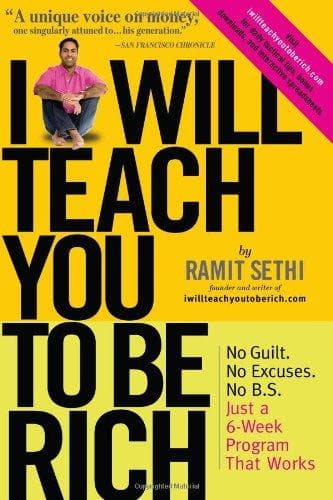
I Will Teach You to Be Rich
Ramit Sethi
“More step-by-step budgeting + spending plan; less philosophy, more execution.”
Buy on Amazon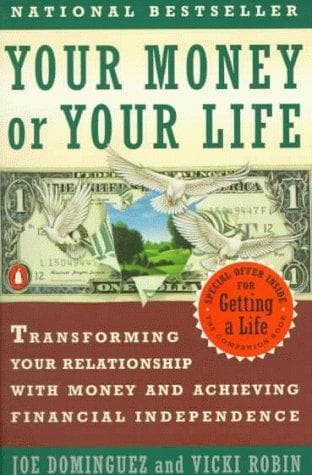
Your Money or Your Life
Vicki Robin
“A values-first framework that connects money to life energy and fulfillment.”
Buy on Amazon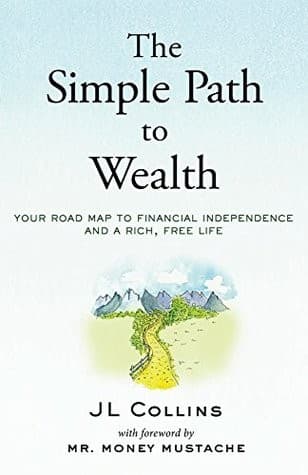
The Simple Path to Wealth
J. L. Collins
“If you want a plain investing playbook to pair with Housel’s psychology.”
Buy on AmazonRead Next
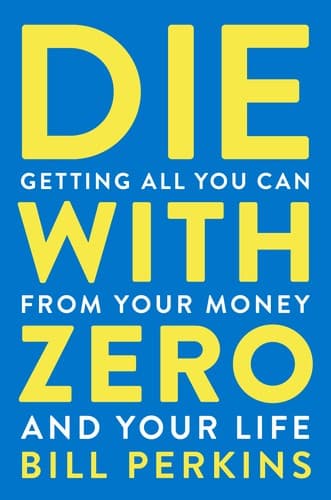
Die with Zero
Bill Perkins
“A counterweight: optimizing for memories and time, not just accumulation.”
Buy on Amazon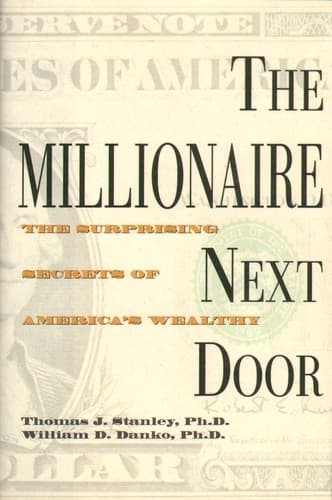
The Millionaire Next Door
Thomas J. Stanley
“Reinforces the “wealth is what you don’t see” idea with data and profiles.”
Buy on Amazon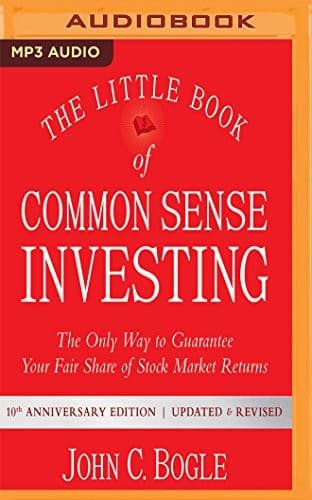
The Little Book of Common Sense Investing
John C. Bogle
“Pairs perfectly with the book’s long-term, behavior-first investing stance.”
Buy on AmazonGo Deeper
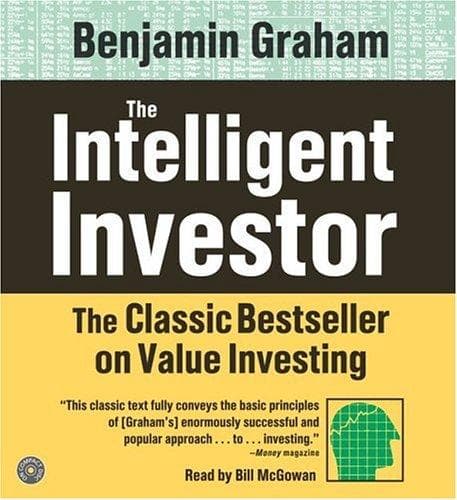
The Intelligent Investor
Benjamin Graham
“The classic on temperament and long-term discipline in markets.”
Buy on Amazon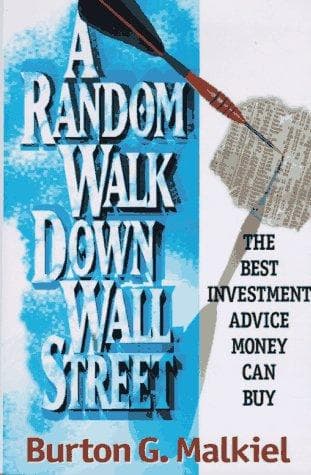
A Random Walk Down Wall Street
Burton G. Malkiel
“Evidence-heavy foundation for indexing and market efficiency.”
Buy on Amazon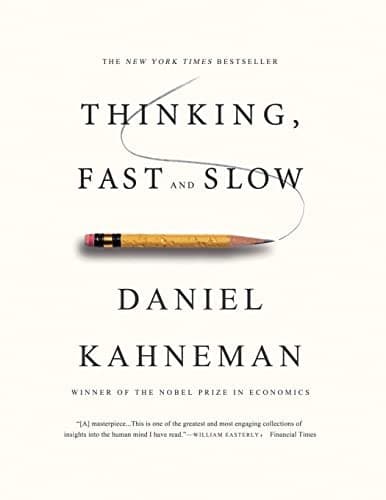
Thinking, Fast and Slow
Daniel Kahneman
“Deep dive into biases that show up in money decisions and risk perception.”
Buy on AmazonWhat Readers Ask
Most readers in FIRE/Bogleheads circles say it’s worth it for the behavior reframes—especially if you already know the basics but struggle with consistency. If you want a strict budget plan, pair it with a tactical book.
It’s popular because it turns money into psychology: short stories that explain why smart people still make dumb decisions, plus a memorable ‘enough’ / status critique that sticks.
The Culture
In the Wild
Critics & Podcasts
- Ramit Sethi / I Will Teach You To Be Rich (contextual comparisons in personal finance communities) — Often cited as the tactical counterpart: Housel for mindset, Ramit for execution.
- FIRE community longread discussion — The book’s biggest value is giving language for risk, luck, and “enough,” helping investors stick to simple strategies.
- fatFIRE comparisons vs Die With Zero — Used as a foil for the “optimize for memories” thesis; prompts debate about spending vs accumulation.
What Kind of Book Is This?
Community Tags

Morgan Housel
Author Credibility
Morgan Housel is a writer and investor focused on behavioral finance and long-term decision-making. He is the author of The Psychology of Money and a partner at The Collaborative Fund; he previously wrote for The Motley Fool and The Wall Street Journal.
Community Trust: High. Across Reddit investing/FIRE communities, Housel is treated as credible because he avoids hot takes and focuses on timeless behavioral lessons (risk, luck, compounding, and defining “enough”). Even critics who call parts “common sense” rarely attack his integrity—more often they say the ideas are familiar rather than wrong.
How to Read This
Best as: Paperback or Audiobook
Short chapters work great in print; many readers mention audio replays for reinforcement.
Shelf Life
Re-read during volatile markets
Community references it when fear/greed spikes; it's a temperament reset.
Homework Level
Low
No worksheets—apply ideas by setting “enough,” adding margin, and choosing a simple plan.
Best Life Stage
Early-to-mid career (building habits)
Especially helpful when you're tempted by status spending or hot investing trends.
Still relevant post-2020 volatility
Readers keep referencing it during volatile markets: the emphasis on tail risk, luck, and staying the course maps cleanly onto meme-stocks and fear/greed cycles.
r/stocks / r/financialindependence
What reading this signals
In money subreddits, recommending this book signals you care more about temperament and long-term behavior than hot strategies—Bogleheads/FIRE energy, minus the spreadsheet flex.
Reddit threads in r/Bogleheads / r/financialindependence
“It’s just common sense” vs “it’s behavior change”
A recurring argument is that the advice is obvious—save, avoid status, index, be patient—so it feels like platitudes. Fans counter that the whole point is making obvious ideas emotionally sticky enough to follow for decades.
r/financialindependence discussion