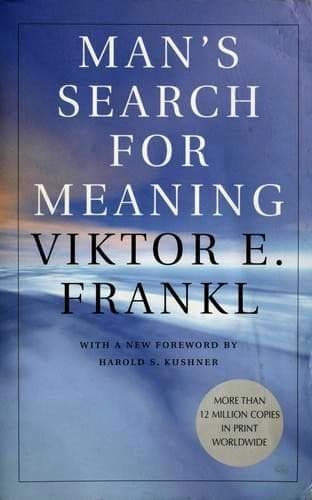
A short, heavy classic that many readers call genuinely perspective-shifting—though some find the logotherapy half preachy or a slog.
Why It's Popular Right Now
It’s the rare 'self-help' classic that doesn’t feel like self-help: a real survival memoir that lands a simple, repeatable idea—meaning makes suffering bearable—then backs it with a therapy framework.
Contents
Core Concepts
Frankl’s core claim is that humans can endure almost anything when they can locate a personal meaning for it. Meaning isn’t a vibe—it’s something you take responsibility for, through what you do, who you love, and how you meet unavoidable suffering.
Meaning as fuel
Purpose isn’t optional in hard seasons; it’s what keeps you moving when comfort disappears.
The last freedom
Even when you can’t change circumstances, you can choose your attitude and your response.
Suffering with dignity
Unavoidable pain doesn’t become 'good'—but it can become bearable when it’s tied to a why.
Meaning through love
Experiencing someone or something you love can be a real source of meaning, not a distraction.
Meaning through work
Creating, contributing, and doing your duty can ground identity when life feels unstable.
Logotherapy
A meaning-centered therapy approach: aim at meaning, and many symptoms loosen their grip.
The Reading Experience
It’s short, but dense with quotable lines—many readers like to underline and reread sections.
The Honest Take
Curated from 17.1K+ community discussions
Read If
- •You feel stuck in a 'what's the point?' loop and want a sturdier frame than motivation.
- •You want a book that takes suffering seriously instead of trying to positive-think it away.
- •You like ideas that hit both the heart (memoir) and the mind (psychology/philosophy).
- •You’re rebuilding after a setback and need a reason to keep going, not a to-do list.
Skip If
- •You want step-by-step tactics or a program you can follow immediately.
- •You’re looking for light reading—this is emotionally intense and often bleak.
- •You strongly dislike therapy/philosophy sections and want pure memoir.
- •You’re already deep into existential philosophy and want a more rigorous, technical argument.
What Works
Makes meaning feel like a survival tool, not a slogan
r/r/books 701“Agree. The first part also drew a sharp contrast between those who managed to find meaning and their survival, and those who gave up and were soon dead.”
The 'why → how' reframe sticks
r/r/books 408“This book changed how I look at and think about situations / challenges... 'If you have a 'why' you'll have a better chance of finding a 'how'”
A concrete idea of agency under constraint
r/r/books 14“Everything can be taken from a man but one thing: the last of the human freedoms—to choose one’s attitude in any given set of circumstances, to choose one’s own way.”
A short book that leaves a long aftertaste
r/r/books 85“My dad introduced me to Man’s Search for Meaning and I have since recommended it to six people, all who now cherish it.”
What Falls Flat
Not a personalized remedy (especially for depression)
r/r/books 313“I read this book when in a bit of a depressed state... It's inspirational in ways for sure but dont expect it to provide your specific remedy.”
The second half can feel like a slog
r/r/books 35“However, the second half of the book is an absolute slog to read.”
Some find the argument more philosophical than scientific
r/r/books 25“...since his main argument is based on circular reasoning, it kind of hurts his validity.”
Real-Life Impact
“This book changed how I look at and think about situations / challenges...”
“Ok. So I have struggled with meaning my entire life... (comment goes on to describe swinging between nihilism/existentialism and using meaning frameworks to navigate dark roads)”
“My interpretation of this book was: none of us can fully control the circumstances we find ourselves in but we can control how we respond to them...”
“What hit me the most was the way he described how we can find meaning through experiencing love.”
“Everything can be taken from a man but one thing: the last of the human freedoms—to choose one’s attitude in any given set of circumstances, to choose one’s own way.”
— Viktor E. Frankl
The Quotes
From the Book
“Everything can be taken from a man but one thing: the last of the human freedoms—to choose one’s attitude in any given set of circumstances, to choose one’s own way.”
“Those who have a 'why' to live, can bear almost any 'how'.”
“When we are no longer able to change a situation, we are challenged to change ourselves.”
“Happiness cannot be pursued; it must ensue.”
From the Crowd
“Agree. The first part also drew a sharp contrast between those who managed to find meaning and their survival, and those who gave up and were soon dead.”
r/r/books 701“That book isn't about thriving, it was about surviving.”
r/r/books 203“I read this book when in a bit of a depressed state... It's inspirational in ways for sure but dont expect it to provide your specific remedy.”
r/r/books 313“I gotta be honest, not one of my faves... the second half of the book is an absolute slog to read.”
r/r/books 35“This book changed how I look at and think about situations / challenges.”
r/r/books 408The Crowd Splits: The Debate
While generally beloved, the community is divided on the book's depth and originality.
Is the logotherapy section a valuable framework, or does it feel like a pitch?
Is 'finding meaning in suffering' empowering, or does it risk sounding like victim-blaming?
The Bookshelf
Read Instead
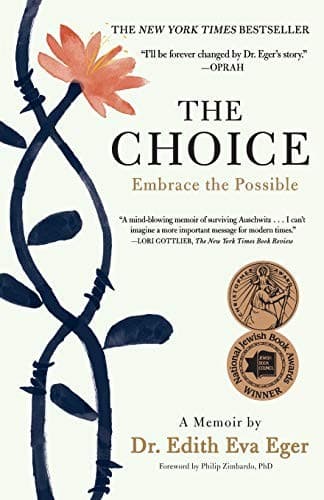
The Choice
Edith Eger
“Another Holocaust survivor memoir, but more explicitly focused on choice, healing, and agency after trauma.”
Buy on Amazon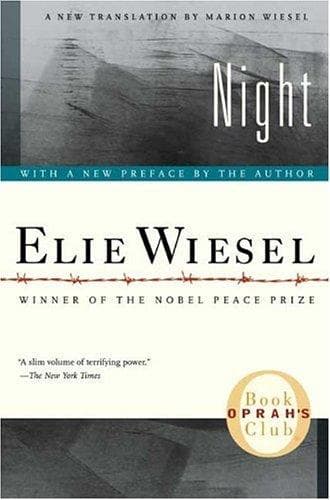
Night
Elie Wiesel
“More literary and stark as a Holocaust memoir; less therapy framing, more raw witness.”
Buy on Amazon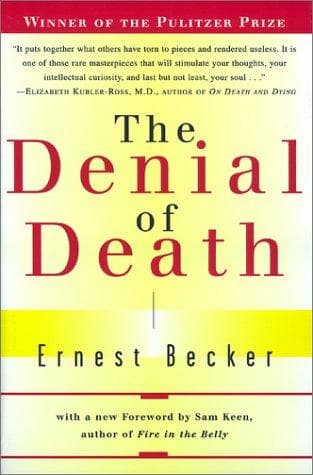
The Denial of Death
Ernest Becker
“A deeper (and denser) existential argument about death anxiety as a driver of human behavior.”
Buy on AmazonRead Next
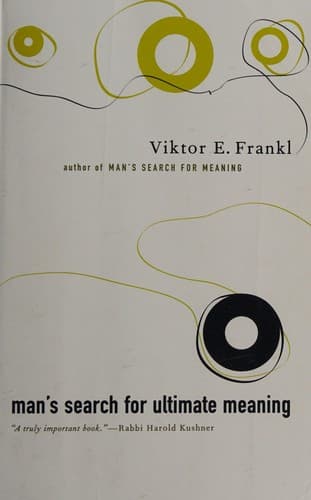
Man's Search for Ultimate Meaning
Viktor E. Frankl
“A follow-up that expands Frankl’s later thinking, with more direct logotherapy philosophy.”
Buy on Amazon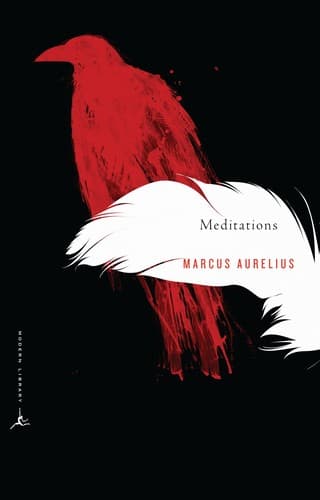
Meditations
Marcus Aurelius
“Stoic philosophy in daily, quotable form—practical grounding if you liked the 'attitude is a choice' theme.”
Buy on Amazon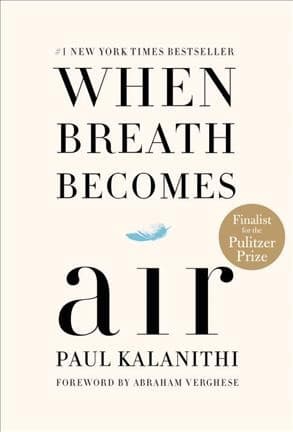
When Breath Becomes Air
Paul Kalanithi
“A modern, intimate exploration of meaning in the face of mortality; emotional and very readable.”
Buy on AmazonGo Deeper
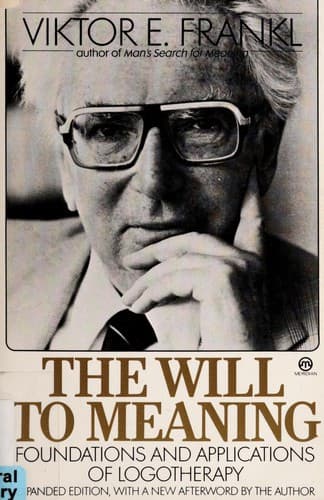
The Will to Meaning
Viktor E. Frankl
“Frankl’s more clinical foundation of logotherapy—best if you want the ideas without the camp narrative.”
Buy on Amazon
The Meaning of Anxiety
Rollo May
“A classic existential-psych take on anxiety, freedom, and responsibility (more theory, more nuance).”
Buy on Amazon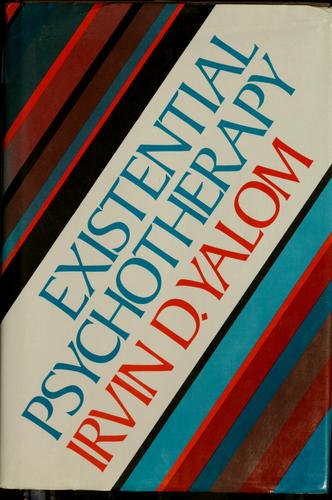
Existential Psychotherapy
Irvin D. Yalom
“A comprehensive, practitioner-grade treatment of existential themes (death, isolation, meaning, freedom).”
Buy on AmazonWhat Readers Ask
It’s a blend of Holocaust memoir and meaning-centered psychology. Frankl argues that when life is stripped down to suffering and uncertainty, having a personally meaningful 'why' can be the difference between collapsing and enduring.
Yes—the first part is rooted in Frankl’s real experiences in Nazi concentration camps, told as an observer trying to understand how people psychologically survive. The second part is his therapeutic framework (logotherapy) built from those observations and his clinical work.
The Culture
In the Wild
Critics & Podcasts
- The Psychiatry & Psychotherapy Podcast — A long-form book club style discussion that treats the memoir as clinically and philosophically significant, and unpacks logotherapy’s core ideas.
- SparkNotes — A straightforward chapter-by-chapter summary useful if you want the argument map before (or after) reading.
- The Daily Stoic — A Stoic-adjacent read highlighting the book’s emphasis on choice, attitude, and meaning under hardship.
What Kind of Book Is This?
Community Tags

Viktor E. Frankl
Author Credibility
Austrian neurologist, psychiatrist, and Holocaust survivor who founded logotherapy (a meaning-centered psychotherapy). He wrote Man's Search for Meaning based on his experiences in Nazi concentration camps and his clinical work.
Community Trust: High. Readers tend to trust Frankl because he isn’t selling a glossy productivity hack—he’s describing what he observed under extreme conditions and then translating it into a therapeutic framework. Even commenters who disagree with his conclusions usually still treat his lived experience and intent as serious and grounded.
How to Read This
Best as: Paperback (or audiobook if you want it slowly)
It’s short, but dense with quotable lines—many readers like to underline and reread sections.
Shelf Life
Re-read when life gets hard
Often revisited during transitions: grief, burnout, depression, or major identity changes.
Homework Level
Low
No worksheets. The 'work' is reflection: what’s your why, and what are you responsible for next?
Best Life Stage
Starting over / rebuilding
Most resonant when you’re in a season you can’t simply optimize your way out of.
Has it aged well?
Despite being decades old, it’s still widely recommended because its core claim (meaning as survival fuel) doesn’t depend on trends. The only part that feels dated for some readers is the therapy/philosophy presentation style in the second half.
crowd consensus
What it really is
It reads like memoir + existential therapy primer, not modern 'tips and tricks' self-help.
editorial
Emotional weight
This is a short book, but it can hit hard—especially the camp narrative. Many readers describe it as haunting and affecting rather than 'uplifting'.
What reading this signals
Recommending this book usually signals you’re not looking for hustle motivation—you want something existential, grounded, and real about suffering and purpose.
editorial
Science vs philosophy
Some readers treat the logotherapy arguments as more philosophical than scientific, and a few criticize the reasoning as circular. Most still find the frame useful even if they don’t view it as 'proven' psychology.
What people get wrong
Many expect practical self-help steps or a cure for depression. Readers often stress it’s not a personalized remedy—it’s a worldview shift and a meaning framework that you still have to translate into your life.