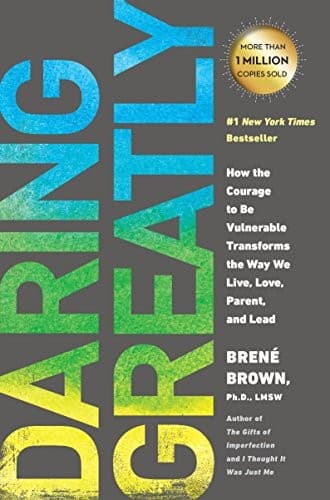
A mainstream classic for making vulnerability feel like courage, not weakness—powerful for leaders and relationships, but too TED-talk-ish for readers who want tactics.
Why It's Popular Right Now
It hit a cultural nerve: people were exhausted by perfectionism and toughness scripts, and Brown gave a research-backed permission slip to be human—especially in leadership and relationships. Her TED talk primed the audience; the book gave the longer form and applications.
Contents
Core Concepts
A research-backed argument that vulnerability is the skill that unlocks courage, connection, and effective leadership—and that shame is the primary blocker. The book teaches you to notice your 'armor,' build shame resilience, and choose wholehearted engagement over perfectionism.
Armor vs authenticity
We protect ourselves with perfectionism, cynicism, and control—but it costs connection.
Shame resilience
Recognize triggers, name the story, and meet shame with empathy.
Vulnerability ≠ oversharing
It's honest risk-taking with boundaries—not dumping feelings on everyone.
Wholehearted living
Choosing courage, compassion, and connection over 'never enough.'
Courageous leadership
Leaders model uncertainty, invite feedback, and create psychological safety.
The Reading Experience
Works well in audio because it's story-driven; paperback is good for highlighting and reflection.
The Honest Take
Curated from 2.1K+ community discussions
Read If
- •You want language + frameworks for vulnerability, shame, and courage—especially at work.
- •You keep people at arm's length and want to practice connection without 'performing'.
- •You're a manager/leader trying to build psychological safety and reduce fear-based culture.
- •You want a parenting lens that's anti-shame and big on repair.
Skip If
- •You want a step-by-step habit program with worksheets and daily drills.
- •You strongly dislike TED-talk tone or story-heavy writing.
- •You've already done deep therapy/shame work and want something more advanced or clinical.
- •You're looking for hard science only with minimal narrative.
What Works
Normalizes vulnerability without calling it weakness
r/AskWomen 121“I think t's down to two things: 1. Inexperience with seeing men be vulnerable in that way. 2. The pressure. From the receiver of all the emotion and the emoter. Since men rarely are vulnerable, there's an extra layer of "holy shit, this is *serious*. This is *bad*." And they've chosen YOU to help them with it. That's a lot of pressure right there. AND because these moments are…”
Shame vs guilt framing
r/IntellectualDarkWeb 26“Well it is true. It is true for the same reason any leader has to be careful with expressing fear, despair or worse with their team. Thats the person tasked with keeping you safe, if they are freaking out, what are you supposed to do? As a result, when the father of a family expresses fear, cries or despair, its not pleasant for the family. You are supposed to get yourself tog…”
Leadership and relationship lens feels immediately relevant
r/IntellectualDarkWeb 26“Well it is true. It is true for the same reason any leader has to be careful with expressing fear, despair or worse with their team. Thats the person tasked with keeping you safe, if they are freaking out, what are you supposed to do? As a result, when the father of a family expresses fear, cries or despair, its not pleasant for the family. You are supposed to get yourself tog…”
What Falls Flat
Feels like an expanded TED Talk
r/AskWomen 121“I think t's down to two things: 1. Inexperience with seeing men be vulnerable in that way. 2. The pressure. From the receiver of all the emotion and the emoter. Since men rarely are vulnerable, there's an extra layer of "holy shit, this is *serious*. This is *bad*." And they've chosen YOU to help them with it. That's a lot of pressure right there. AND because these moments are…”
Not tactic-heavy
r/0“(thin signal)”
Real-Life Impact
“>a lot of men seem to have great difficulty with levels of situationally appropriate openness and vulnerability, so they tend to do huge feelings dumps on people without any warning and often to people who are not at that level of emotional exchange with them. Ohhh my goodness this is spot on. I hit it off with a guy I met at a convention. He seemed cool, we hung out togeth…”
“It's okay to not like something that's popular. There were a few people that I went to grad school with who LOVED BB, and it was... evident. They were very into Being Vulnerable and Speaking Their Truth - and not everyone is that kind of social worker. While I do think Brene Brown has some important stuff to say, it's not for everybody, and that's okay!”
“Well it is true. It is true for the same reason any leader has to be careful with expressing fear, despair or worse with their team. Thats the person tasked with keeping you safe, if they are freaking out, what are you supposed to do? As a result, when the father of a family expresses fear, cries or despair, its not pleasant for the family. You are supposed to get yourself tog…”
“I respect and admire that’s she’s monetized her work and created a public persona...its how she’s done that and the persona she’s created. Brown did one of those [“What (some famous person) Can’t Live Without”](http://nymag.com/strategist/amp/article/brene-brown-favorite-things.html) bits for the Strategist that was the most telling. I’ll be a little vulnerable here and admit …”
“men should x” or “women want Y”
— Brené Brown
The Quotes
From the Book
“men should x” or “women want Y”
“stereotypical version of relationships”
“Why am I reacting to him this way?”
“socially appropriate vulnerability.”
“rehearsing tragedy” to what I call “perpetual disappointment.”
From the Crowd
“I think t's down to two things: 1. Inexperience with seeing men be vulnerable in that way. 2. The pressure. From the receiver of all the emotion and the emoter. Since men rarely are vulnerable, there's an extra layer of "holy shit, this is *serious*. This is *bad*." And they've chosen YOU to help them with it. That's a lot of pressure right there. AND because these moments are…”
r/AskWomen 121“It's okay to not like something that's popular. There were a few people that I went to grad school with who LOVED BB, and it was... evident. They were very into Being Vulnerable and Speaking Their Truth - and not everyone is that kind of social worker. While I do think Brene Brown has some important stuff to say, it's not for everybody, and that's okay!”
r/socialwork 71“>a lot of men seem to have great difficulty with levels of situationally appropriate openness and vulnerability, so they tend to do huge feelings dumps on people without any warning and often to people who are not at that level of emotional exchange with them. Ohhh my goodness this is spot on. I hit it off with a guy I met at a convention. He seemed cool, we hung out togeth…”
r/AskWomen 45“There's a difference between being vulnerable and making someone else responsible for your emotions. Men tend to do the latter. I can't manage both your emotions and mine. I don't want to.”
r/AskWomen 40“While I of course believe men should be vulnerable when it is appropriate, I personally find most people complaining about men not being open are women. Ironically the quote you shared is from a female author. As a man, I don’t really have this burning desire to be more emotionally available to anyone. But I hear women complaining about how society doesn’t let me be vulnerable…”
r/IntellectualDarkWeb 30“I've never heard of any of this either, but wow... I found the Landmark Forum website and it is full of trademarked phrases. To me, that's a straight-up conman red flag. It comes as no surprise to me that Brene Brown is part of the yoga-industrial complex. The people who typically recommend Brene Brown books to me normally reek of empty one-size-fits-all tautologies.”
r/cults 28The Crowd Splits: The Debate
While generally beloved, the community is divided on the book's depth and originality.
Is Daring Greatly practical, or mostly an expanded TED Talk?
Is the gender framing (men & vulnerability) insightful or overgeneralized?
The Bookshelf
Read Instead
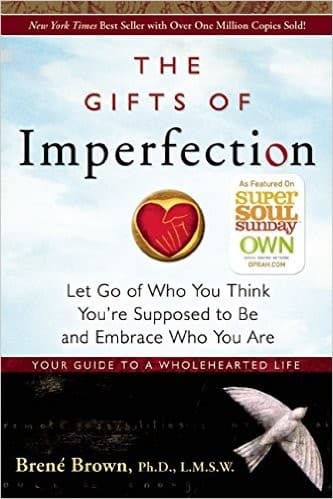
The Gifts of Imperfection
Brené Brown
“More foundational + shorter; covers wholehearted living without the leadership framing.”
Buy on Amazon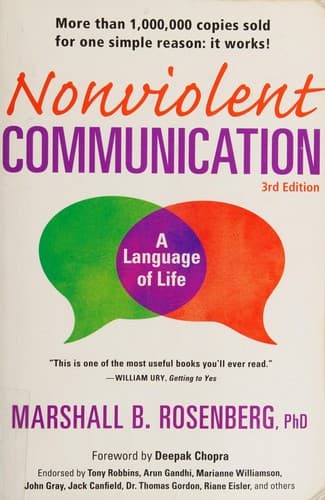
Nonviolent Communication
Marshall B. Rosenberg
“More tactical for hard conversations and empathy in conflict.”
Buy on Amazon
Attached
Amir Levine
“If you want relationship patterns explained with a clearer behavioral model.”
Buy on AmazonRead Next
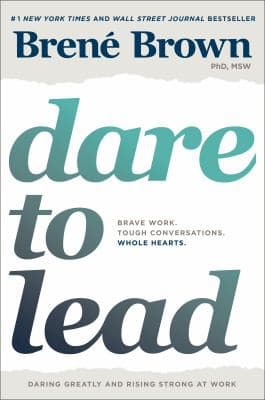
Dare to Lead
Brené Brown
“More concrete leadership applications and organizational language.”
Buy on Amazon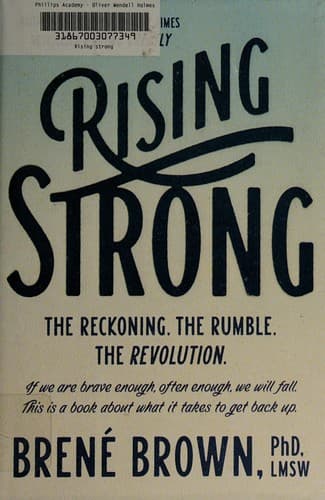
Rising Strong
Brené Brown
“Focuses on recovery after failure—owning your story and getting back up.”
Buy on Amazon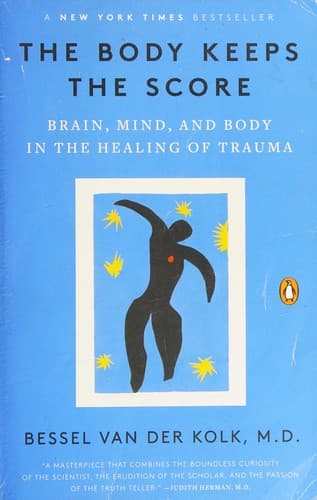
The Body Keeps the Score
Bessel van der Kolk
“Deeper clinical take on how vulnerability/trauma shows up in the body.”
Buy on AmazonGo Deeper
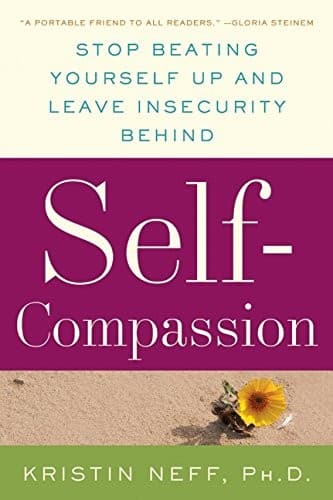
Self-Compassion
Kristin Neff
“Research-driven practice framework that pairs well with shame resilience.”
Buy on Amazon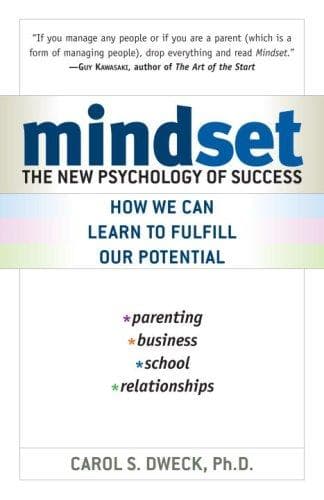
Mindset
Carol S. Dweck
“Classic psychology framework for growth vs fixed beliefs.”
Buy on Amazon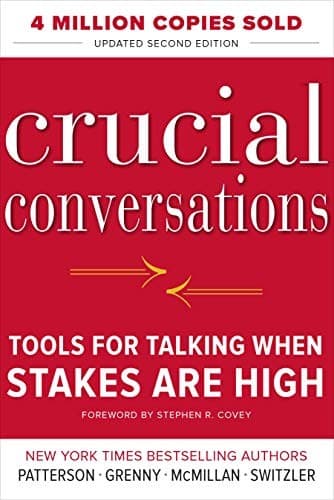
Crucial Conversations
Kerry Patterson
“Practical communication tools when stakes and emotions are high.”
Buy on AmazonWhat Readers Ask
Reddit says yes if you want research-backed language for vulnerability, courage, and shame—especially in leadership and relationships. Skip if you want a step-by-step habit program.
Brown argues vulnerability isn't weakness—it's the birthplace of courage, connection, and creativity. The book teaches shame resilience, identifies common 'armor' patterns, and applies the framework to work, parenting, and relationships.
The Culture
Critics & Podcasts
- Brené Brown (TEDxHouston) — The TEDx talk on vulnerability is the compressed version; it primed millions and shaped how people approach the book.
- Brené Brown — Official site — Positions the book as applied research for leadership, parenting, and relationships.
- Wikipedia — Brown's public profile (TED talks + bestsellers) is both why the book is trusted and why some call it 'mainstream.'
What Kind of Book Is This?
Community Tags

Brené Brown
Author Credibility
Researcher and storyteller known for her work on courage, vulnerability, shame, and empathy. Professor and endowed chair at the University of Houston; author of multiple #1 NYT bestsellers; host of popular podcasts.
Community Trust: High. Readers generally trust Brown because she grounds her message in long-running qualitative research, makes concepts emotionally legible, and avoids gimmicky promises. Skeptics mostly object to tone (TED-era inspiration) or want more tactics—not to her credibility as a researcher.
How to Read This
Best as: Audiobook or Paperback
Works well in audio because it's story-driven; paperback is good for highlighting and reflection.
Shelf Life
Re-read every 1-2 years
Most valuable when entering a new leadership or relationship season.
Homework Level
Medium
Not worksheet-heavy, but benefits from journaling + practicing hard conversations.
Best Life Stage
Leading, parenting, or rebuilding connection
Especially useful when perfectionism or avoidance is costing you relationships.
Has it aged well?
The core message (shame vs connection, psychological safety, courageous leadership) has aged well—workplace culture caught up to it. The main dated bits are some references and the 'TED-era' voice.
crowd consensus
Emotional weight
Many readers describe this as therapy-adjacent: it can surface shame memories and relationship patterns. Best read slowly if you are in a fragile season.
crowd consensus
What does reading this say about me?
You're signaling you care about emotional honesty and modern leadership—less 'toughen up,' more 'do the hard thing with empathy.' Some file it under 'mainstream self-help,' for better or worse.
crowd consensus
Is there an upsell ecosystem?
Brown's work feeds a broader ecosystem (corporate programs, podcasts, multiple books). Most readers see it as legitimate thought leadership rather than a manipulative funnel, but a few find it brand-heavy.
crowd consensus
What people get wrong
Readers often confuse vulnerability with oversharing or emotional dumping. Brown's point is controlled risk + boundaries: telling the truth, asking for help, staying present—without violating privacy or professionalism.
editorial